- 07 3060 8808
- cosmoderma4u@gmail.com
- Mon - Fri: 09:00 - 17:00
- 55 Seymour Road, Ascot QLD 4007

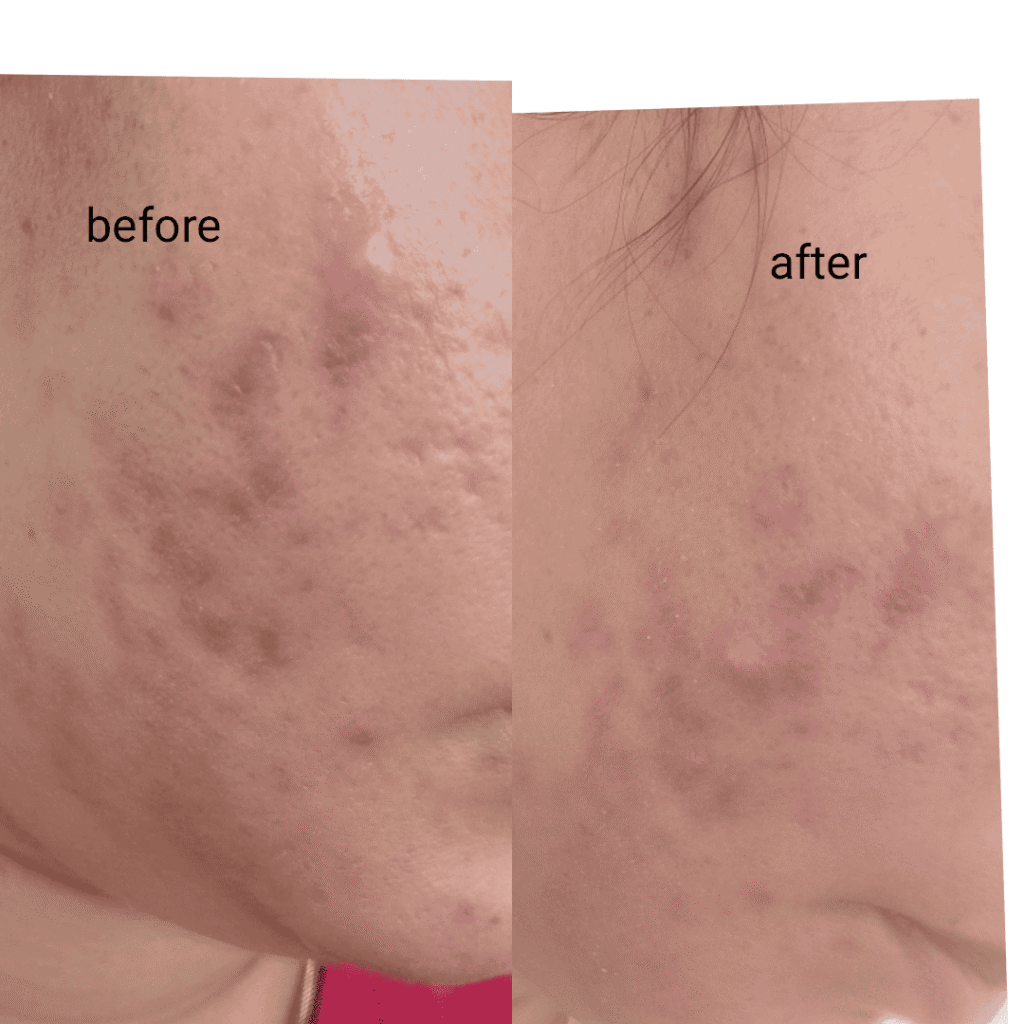
Pimples, spots, or medically termed acne, are very common affecting almost 85% of young adults. It is not a teenage only problem; we are seeing more and more adults in their 30’s and 40’s presenting with new acne.
Acne is the term given to the combination of oily skin, blackheads, whiteheads, red and yellow spots, lumps and cysts on the face, and sometimes chest, shoulders and back. When left untreated they can lead to scarring and pigmentation. It starts in the early teens and sometimes continues into adult life.
Acne severity can range from mild with few spots, blackheads, and whiteheads, to severe with large painful cysts and permanent scarring.
Acne is NOT a “normal teenage” ? condition that can be managed with over the counter products. It is a potentially scarring skin disease with a huge impact on confidence and quality of life.

Multiple factors are involved such as:
Adult acne can develop even if they did not have acne as a teenager. Whilst teenage acne is more common in boys, adult acne is common in women. It flares up around menstruation, due to increased testosterone levels. They tend to have enlarged pores and large whiteheads. Their skin is also less oily, driving them to use “rich moisturisers” and facial oils, which actually trigger acne by clogging the pores and aggravating the inflamed spots. Oily hair products also. Aisle acne on the forehead. Acne can occur in some men who take specific body-building formulations.
Newborn babies and rarely infants around 3-6 months old can develop acne, which is due to the crossing of the mother’s hormones and immature glands respectively. Occasionally children less than 6 years can develop acne when it is important to see a pediatrician or dermatologist.
Although the basic pathology of acne is the same, the concerns and consequences are different. The spots look less red in dark skin, and they leave dark marks called post-inflammatory hyperpigmentation. For this group of people, the dark marks are the main complaint. Also picking the spots seems to be more common which leads to dark marks and scars.
No studies have as of yet proven that chocolate itself directly causes acne. However, a couple of studies including a randomised controlled trial have shown that a diet with a low glycaemic index improves acne.